
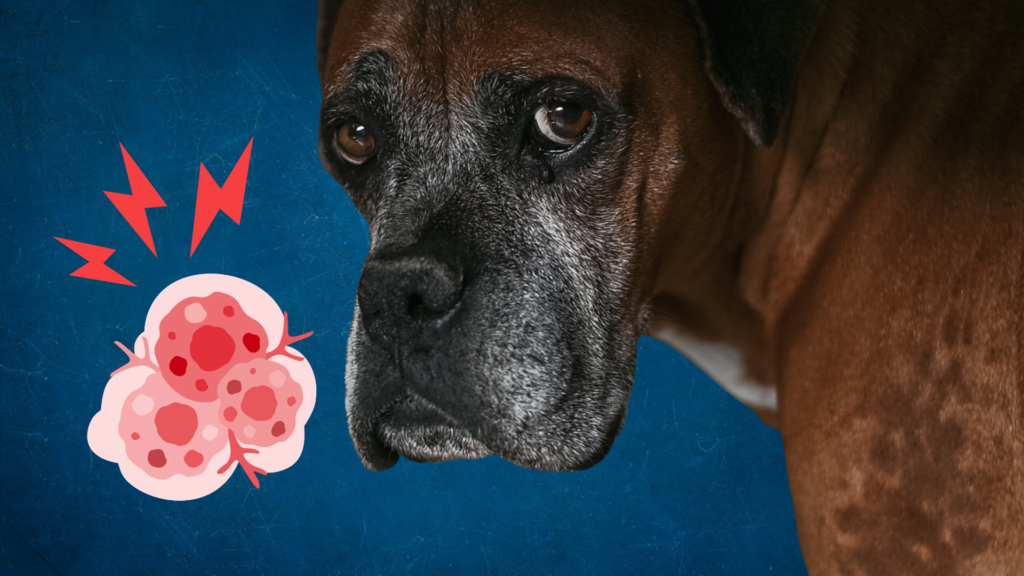
You’re scratching your dog’s favorite spot when you feel something unexpected beneath their fur. A small bump, a raised area, or perhaps a firm mass that wasn’t noticeable before. It’s natural to wonder whether this could be a sign of cancer in dogs.
Although discovering a lump can be worrying, many growths are not cancerous. Some are harmless fatty deposits, while others may be caused by cysts, inflammation, or other skin conditions. The only reliable way to understand what you’re dealing with is through a veterinarian.
Kokinos Veterinary Services offers veterinary care for dogs, cats, and horses in Vernon, NY, offering guidance when a lump develops on your animal.
Does a Lump on My Dog Mean Cancer?
Not every lump is cancerous, and many dogs develop benign growths during their lifetime. One example is a lipoma, a soft fatty mass that frequently occurs in middle-aged and senior dogs. Other possibilities include cysts, warts, and localized skin reactions.
However, a cancerous tumor can sometimes resemble a harmless growth. Kokinos Veterinary Services encourages owners to have unfamiliar growths evaluated rather than relying on appearance alone.
What Are the Warning Signs of Cancer in Dogs?
Cancer in dogs can produce a range of symptoms, depending on the type of cancer and where it develops. While lumps are among the more recognizable signs, other physical and behavioral changes may also warrant attention.
Watch for these potential warning signs:
- New or changing lumps: Growths that appear suddenly, increase in size, or change shape.
- Unexplained weight loss: Losing weight without changes to diet or exercise.
- Sores that don’t heal: Persistent wounds or irritated areas that fail to improve.
- Unusual bleeding: Unexpected bleeding from the mouth, nose, or other body openings.
- Changes in appetite or energy: Eating less, sleeping more, or losing interest in normal activities.
- Difficulty breathing: Persistent coughing, labored breathing, or unusual shortness of breath.
These symptoms can also occur with infections, injuries, and other medical conditions. Their presence doesn’t necessarily indicate cancer. However, persistent or worsening changes should be evaluated by a veterinarian in Vernon, NY.
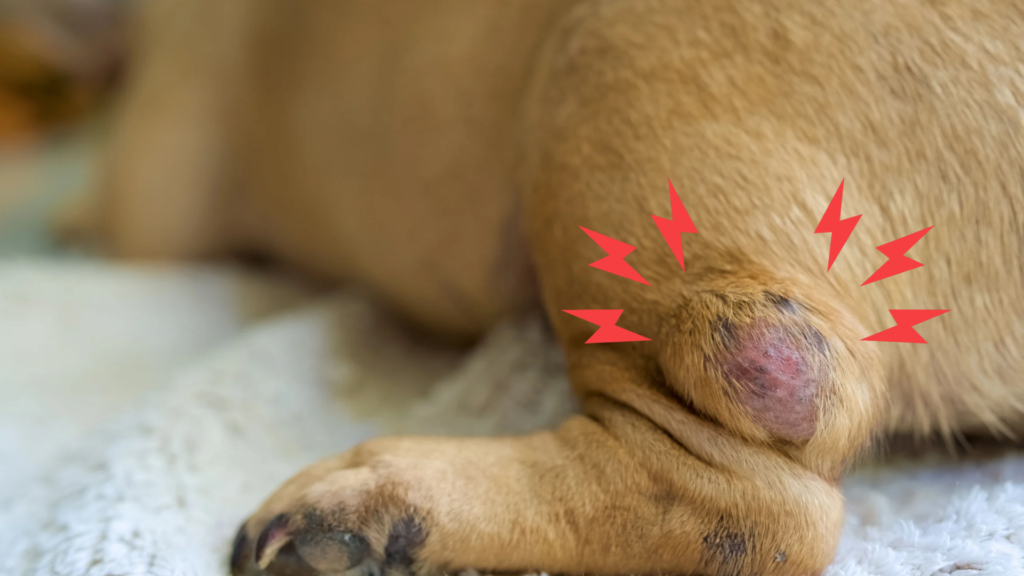
What Should I Do If I Find a Lump on My Dog?
Begin by noting where the lump is located and approximately how large it is. Taking a photograph with a ruler nearby can make it easier to track visible changes. Avoid squeezing, puncturing, or attempting to remove the growth yourself, even if it appears small or harmless.
Contact Kokinos Veterinary Services for an evaluation. During the visit, your veterinarian will assess the growth, review your dog’s medical history, and determine whether additional testing is necessary.
If cancer is diagnosed, a veterinarian can explain the findings and discuss treatment options or specialist referrals.
How Can I Check My Dog for Lumps at Home?
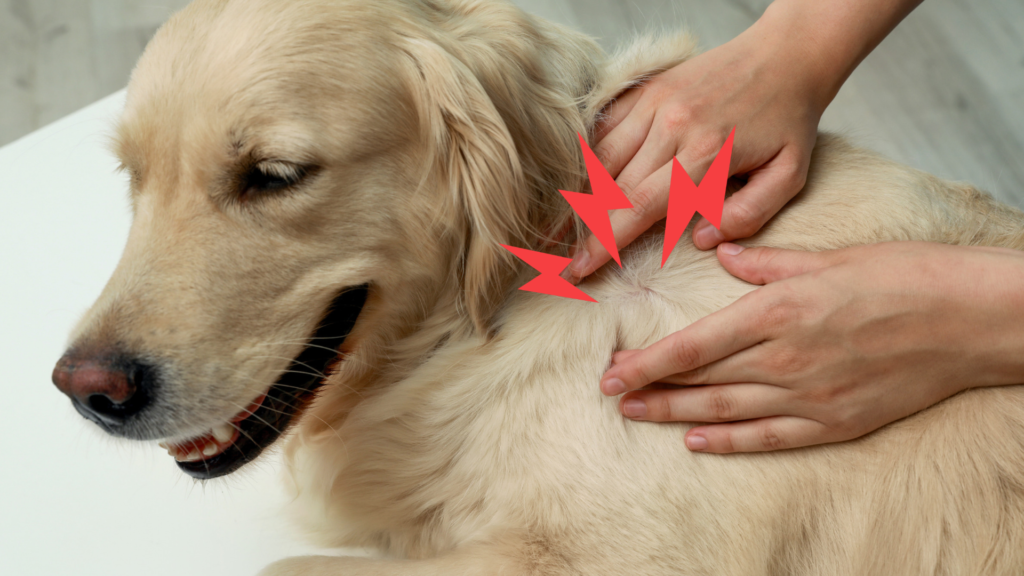
Regular skin checks are an easy addition to your dog’s grooming routine, especially as they get older. While brushing or petting your dog, gently run your hands along their neck, back, chest, belly, and legs. Don’t forget less obvious areas, such as beneath the collar, around the tail, between the toes, and inside the mouth.
Keep track of any new growths, even if they don’t seem painful. Changes in size, shape, or texture should be discussed with your veterinarian.
Can Dogs Develop Cancer Without Visible Lumps?
Yes. Some forms of cancer in dogs affect internal organs, blood cells, or tissues that cannot be examined from the outside.
Instead of a noticeable lump, affected dogs may experience persistent digestive problems, unexplained fatigue, abdominal swelling, or changes in appetite.
If your dog develops ongoing symptoms or begins behaving differently, a veterinary examination can determine whether further testing is necessary.
Have Your Dog’s Lump Evaluated in Vernon, NY
Finding a lump on your dog doesn’t automatically mean something serious is wrong. However, getting it examined is the best way to understand what it might be and whether treatment is necessary.
Kokinos Veterinary Services provides veterinary care for companion animals and horses throughout Vernon, Oneida, Sherrill, and surrounding Central New York communities. If you’ve discovered a suspicious growth or noticed changes in an existing lump, schedule an appointment with us.