
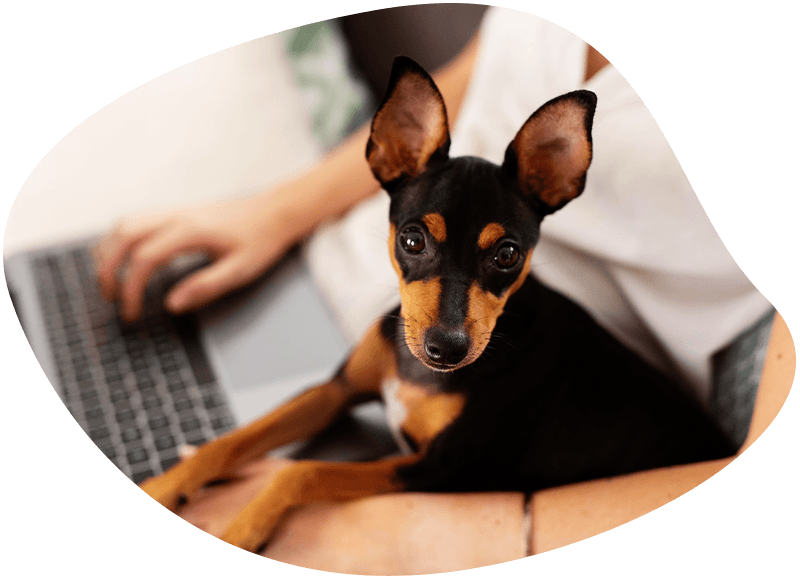
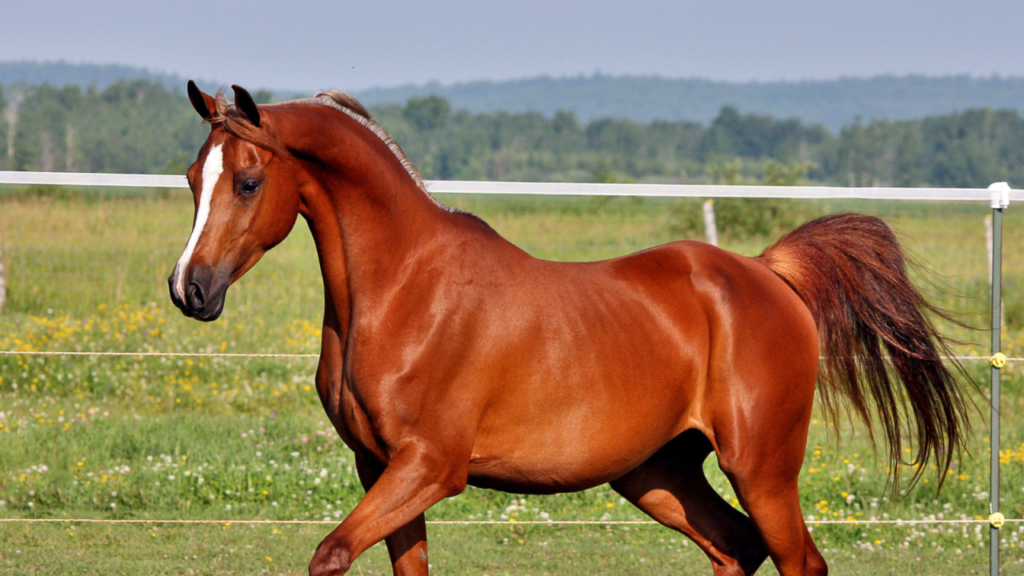
Winter brings chilly temperatures, icy conditions, and potential hazards for our furry and equine companions in NY. Cold weather can be dangerous for pets and horses, increasing the risk of frostbite, hypothermia, and dehydration. While some animals have thick coats designed for colder climates, no pet or horse is immune to extreme winter conditions.
At Kokinos Veterinary Services, we want to ensure your animals stay warm, healthy, and safe all winter long. Follow these essential winter care tips to keep your dogs, cats, and horses protected during the colder months.
Winter Safety Tips for Dogs & Cats
Know Your Pet’s Cold Tolerance
Not all pets handle cold weather the same way.
- Small, short-haired, senior, and sick pets are more vulnerable to the cold.
- Northern breeds (like Huskies & Malamutes) handle cold better but still need protection from extreme conditions.
- Outdoor cats and stray animals are at high risk—consider providing shelter options for them.
Provide Warm Indoor Shelter
Even pets who enjoy the cold should have a warm, dry place to retreat to.
- Keep indoor temperatures comfortable—avoid letting pets sleep on cold floors.
- Outdoor cats often seek warmth under car hoods—knock on your car hood before starting the engine to avoid injuries.
- Heated pet beds can help keep older pets comfortable during winter nights.
Protect Paws from Ice, Salt & Frostbite
Cold pavement, ice, and de-icing chemicals can be harmful to paws.
- Wipe paws after walks to remove ice and salt residue.
- Use pet-safe de-icers to prevent chemical burns.
- Paw balms and booties help protect against frostbite and cracks.
Signs of frostbite: Pale or bluish paw pads, swelling, and pain when touched—seek veterinary care if noticed.
Prevent Dehydration & Keep Water Unfrozen
Cold weather doesn’t mean pets need less water—they can become dehydrated just as easily in winter.
- Check water bowls frequently to ensure they haven’t frozen.
- Avoid metal bowls outside—pet tongues can stick to frozen metal!
Winter Safety Tips for Horses & Equines
Provide Adequate Shelter
While horses tolerate cold better than small pets, they still need protection from wind, rain, and freezing temperatures.
- Ensure access to a three-sided windbreak or barn.
- Keep stall bedding dry—damp bedding increases the risk of chills and respiratory infections.
- Allow turnout time to promote circulation and prevent stiffness.
Horses in colder climates may benefit from a waterproof turnout blanket—especially seniors or clipped horses.
Keep Water from Freezing
Dehydration is a serious concern in winter, as horses tend to drink less cold water.
- Use heated water troughs or break ice regularly.
- Check water temperature—horses prefer slightly warmed water in cold months.
- Add electrolytes or soaked hay cubes if water intake is low.
Dehydration can lead to colic, a life-threatening condition—ensure your horse is drinking enough!
Increase Hay Intake for Warmth
Did you know digesting hay generates body heat! Provide extra hay in winter to help horses stay warm. Ensure proper shelter when feeding outside to prevent hay from getting wet or buried in snow.
Monitor Hoof Health in Icy Conditions
Slippery surfaces and frozen mud can cause injuries.
- Pick hooves daily to prevent ice balls from forming.
- Consider hoof boots or non-slip shoes for extra traction.
- Keep walkways clear of ice—use sand or animal-safe de-icer instead of salt.
If your horse slips on ice and is injured, Kokinos Veterinary Services is experienced in injury care for equines, including fracture repair.
Recognize Signs of Cold Stress in Horses
Horses can experience hypothermia and cold stress just like smaller animals. Signs of cold stress in horses:
- Shivering or reluctance to move
- Weight loss despite normal feeding
- Cold ears, hooves, or muzzle
If a horse continues to shiver, they may need an extra layer or increased hay intake.
Keep Your Animals Warm and Safe All Winter
Winter weather brings unique challenges for pets and horses, but with proper care, they can stay safe and comfortable.
Need a winter wellness check for your pet or horse? Schedule an appointment at Kokinos Veterinary Services in Vernon, NY today! Call (315) 927-9030 to book a visit.